Thermal Insulation Explained: What It Means for Your Home
October 17, 2026
Blog
Every winter in central Wisconsin, homeowners watch heating bills climb while cold drafts sneak through ceilings and walls. The culprit is often a simple one: not enough protection between the indoor comfort you pay for and the harsh weather outside. That is where thermal insulation comes in, and understanding what is thermal insulated can change the way you think about your entire home. The experienced home insulation contractors in Wausau at Home Insulation Company have helped families keep heat where it belongs for decades, and it starts with knowing how insulation really works.
Whether you are fighting January cold or August heat, the principle is the same. A well-insulated home holds a steady, comfortable temperature with far less effort from your furnace or air conditioner. The result is lower energy use, better comfort, and a home that feels right in every season.
When people ask what is thermal insulated, they are really asking how a material slows the movement of heat. Heat always travels from warm areas to cooler ones. In winter, the warmth inside your home constantly tries to escape to the cold outdoors. In summer, outdoor heat pushes its way inside. Thermal insulation is any material designed to resist that transfer, creating a barrier that keeps conditioned air where you want it.
Insulation does this by trapping tiny pockets of air or using dense material that heat struggles to pass through. The effectiveness of a material is measured by its R-value, which indicates how well it resists heat flow. The higher the R-value, the better the material performs. Understanding what is thermal insulated helps homeowners see that insulation is not just extra padding in the attic. It is an active system working around the clock to protect comfort and save energy.
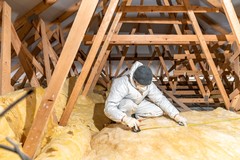
Heat rises, which makes your roof and attic the frontline of energy loss. A poorly insulated roof lets warm air drift straight out through the top of your home during the coldest months. That forces your heating system to run longer and harder, and you pay for every extra cycle. In the summer, an uninsulated attic can trap blistering heat that radiates down into your living spaces.
Proper roof and attic insulation keeps that heat contained. It also helps prevent ice dams, a common problem across Wisconsin winters. When warm air escapes into the attic, it melts snow on the roof, which then refreezes at the colder eaves and creates ice buildup that can damage shingles and gutters. By sealing and insulating the attic correctly, you reduce the uneven roof temperatures that cause ice dams in the first place.
This is exactly where knowing what is thermal insulated pays off for your roof. A tight, well-insulated attic protects both your comfort and the long-term health of the roofing structure above it.
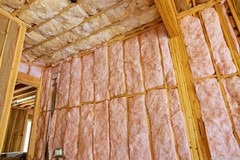
Not all insulation is the same, and different areas of your home call for different solutions. The right choice depends on where it is going, the age of your home, and your energy goals. A few options stand out for homeowners in our region.
Each material has strengths. Cellulose and spray foam are especially popular for their air-sealing qualities, which matter enormously in a climate with big temperature swings. If you are unsure which fits your project, our insulation FAQs answer many of the questions homeowners ask most often.
The most obvious reward is a smaller energy bill. When your home holds its temperature, your heating and cooling systems cycle less frequently, which lowers monthly costs and reduces wear on your equipment. Over the years, those savings add up considerably.
Comfort is the second major benefit. A properly insulated home has fewer drafts, more even temperatures from room to room, and no more cold floors above an unfinished basement or hot upstairs bedrooms in July. Insulation also dampens outside noise, giving your home a quieter, calmer feel.
There is an environmental payoff too. Using less energy means a smaller carbon footprint, and many insulation materials are made from recycled content. Some upgrades may even qualify for financial incentives, and it is worth reviewing available rebate incentives before you begin a project, since they can offset a meaningful portion of your investment.
Many homes, especially older ones, were built before modern insulation standards existed. If your house falls into that category, the warning signs are often easy to spot once you know what to look for. Rising energy bills that cannot be explained by rate increases usually point to heat escaping somewhere. Rooms that never seem to reach a comfortable temperature, or that feel drastically different from one another, suggest uneven or insufficient insulation.
Drafts near windows, outlets, and baseboards are another clue, as are cold interior walls in winter. Ice dams forming on your roof each year are a strong indicator that attic insulation and air sealing need attention. If you notice any of these issues, a professional assessment can pinpoint exactly where your home is losing energy and what it would take to fix it.
Understanding what is thermal insulated gives you the context to recognize these problems early, before they turn into higher bills or roof damage. The sooner you address weak spots, the more you protect both your budget and your home.
Choosing and installing insulation is not a one-size-fits-all task. The best results come from matching the material to the space and installing it correctly so there are no gaps or compressed sections that undermine performance. That is why working with experienced professionals makes such a difference. A knowledgeable team can evaluate your attic, walls, and roof together, then recommend a solution tailored to how your home actually loses heat.
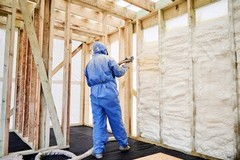
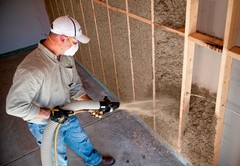
For sealing stubborn air leaks and hard-to-reach cavities, many homeowners turn to spray foam insulation for Wausau-area properties because it combines insulation and air sealing in a single application. For finished homes where tearing open walls is not practical, dense-packed wall insulation in Wausau can be installed with minimal disruption, boosting comfort in rooms that have always felt cold or drafty. You can explore the full range of options on our insulation services page.
At the end of the day, insulation is one of the smartest investments you can make in your home. It lowers energy costs, extends the life of your roof, and makes every room more comfortable through the toughest Wisconsin seasons. If you have been wondering what is thermal insulated and whether your home measures up, the team serving Wausau and the surrounding areas is ready to help. Reach out for a free estimate and find out how the right insulation can transform the way your home feels and performs.
October 17, 2026
October 15, 2026
October 3, 2026
October 1, 2026