Fiberglass Insulation for Roof Systems and Attic Spaces
October 1, 2026
Blog
Up to a quarter of a home's heat loss can escape straight through the roof and attic, and in central Wisconsin, that adds up fast during a long winter. If your upstairs rooms feel colder than the rest of the house or your energy bills keep climbing, the space above your ceiling is often the first place to look. Choosing the right fiberglass insulation for roof systems and attic areas is one of the most cost effective upgrades a homeowner can make. Our team offers professional home insulation services in the Wausau area, and we see the difference proper attic insulation makes in comfort and utility costs every day.
Fiberglass has been a trusted insulating material for decades because it performs reliably, resists moisture damage, and works well in the framed cavities and open attic floors common to homes throughout the region. Below, we walk through how it functions, where it fits best, and what to consider when planning an upgrade.
Fiberglass is made from fine glass fibers spun together to trap millions of tiny air pockets. Those pockets slow the transfer of heat, which is exactly what you want in both summer and winter. In cold months, the insulation keeps warm air inside your living space rather than letting it drift up and out through the roof. In summer, it helps block the intense heat that builds up in an attic from radiating down into your rooms.
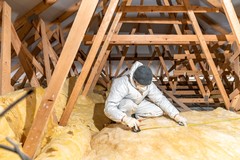
When it comes to fiberglass insulation for roof and attic applications, the material typically comes in two forms: batts and rolls, or loose fill that is blown into place. Batts are pre cut sections designed to fit snugly between rafters and joists, while blown in fiberglass fills irregular spaces and hard to reach corners. Each has its place, and the right choice depends on your attic's layout, existing insulation, and the level of coverage you are aiming for.
The attic is where heat naturally wants to go. Warm air rises, and without a solid barrier, it keeps rising right through your ceiling and into the attic, then out through the roof. That constant loss forces your furnace to work harder, which shows up on your monthly bill. A well insulated attic breaks that cycle and keeps conditioned air where it belongs.
Proper attic insulation also helps guard against ice dams, a familiar problem for homeowners across Wisconsin. When heat escapes into the attic, it warms the roof deck unevenly, melting snow that refreezes at the colder edges. Over time, those ice ridges can force water under shingles and cause leaks. Keeping the attic cooler and better sealed reduces that risk considerably, protecting both your roof and the structure beneath it.
Not every attic needs the same approach, and this is where an experienced eye pays off. The correct level of insulation is measured in R value, which reflects how well the material resists heat flow. In our climate, attics generally call for a higher R value than many homeowners expect, and older homes are frequently under insulated by today's standards.
A few factors guide the decision when we recommend fiberglass insulation for roof and attic spaces:
Getting these details right ensures the insulation performs as intended for years. A poorly installed batt with gaps or compression loses much of its value, which is why careful, professional installation matters as much as the material itself.
Homeowners often ask how fiberglass stacks up against alternatives like cellulose or spray foam. Each material has strengths, and the best choice depends on your goals, budget, and the part of the home being treated. Fiberglass is valued for its consistent performance, resistance to moisture, and long service life. It does not settle as much as some loose fill options over time, and it holds its insulating value well.
Cellulose, made from recycled paper fibers, is another strong performer that fills cavities densely, and we install it in walls and attics as well. Some projects benefit from combining materials to address different areas of the home. If you are weighing wall upgrades alongside your attic work, our wall insulation services in the Wausau area can round out the whole envelope of your home. The point is that no single product is right for every situation, and a thoughtful assessment leads to better long term results than simply picking the most familiar name.
A quality installation starts with an evaluation of your attic and roof system. We look at existing insulation, check for air leaks around penetrations like light fixtures and vents, and confirm that ventilation is adequate. Air sealing is a crucial step that is easy to overlook, because insulation works best when the air movement around it is controlled first. Sealing gaps before adding fiberglass keeps warm, moist air from bypassing the insulation entirely.
Once sealing is complete, the fiberglass insulation for roof and attic areas is installed to the target depth and coverage. Batts are fitted carefully to avoid gaps and compression, and blown in fiberglass is distributed evenly to reach the recommended R value across the whole surface. A clean, thorough installation makes all the difference in how the system performs through both the coldest and warmest parts of the year.
Many homeowners are also pleasantly surprised to learn that energy efficiency upgrades may qualify for financial help. Our page on rebate incentives for insulation explains programs that can offset part of the cost, making the project easier to justify.
A properly insulated attic changes how a home feels. Rooms stay warmer in winter and cooler in summer, temperatures even out from floor to floor, and the furnace and air conditioner cycle less often. Those improvements translate directly into lower energy use and a more comfortable living space year round, which is exactly what most families are after when they call about attic work.
If you have been putting up with drafty upstairs rooms or steadily rising heating bills, an upgrade to attic insulation in Wausau is worth considering. We have served homeowners in Wausau and the surrounding areas for generations, and we are glad to evaluate your attic and explain the options in plain terms. Reach out for a free estimate, and we will help you decide whether fiberglass, or a combination of materials, is the right fit for your home and your budget.
October 1, 2026
September 17, 2026
September 15, 2026
September 3, 2026