Spray Foam Insulation R Value: What Homeowners Should Know
October 3, 2026
Blog
When Wisconsin winters push temperatures well below zero, the number that quietly determines how comfortable and affordable your home stays is its insulation's R value. If you have been researching upgrades, you have probably run into the term repeatedly, and understanding the r value of spray foam insulation is one of the smartest first steps toward a warmer, more efficient home. As experienced home insulation contractors in Wausau, we spend a lot of time explaining what these numbers actually mean and how they translate into real savings on your energy bills.
R value can feel like technical jargon, but the concept is straightforward. It measures how well a material resists the flow of heat. The higher the number, the better the material slows heat from escaping in winter or sneaking in during summer. Spray foam has become a popular choice in our region precisely because of how it performs against our climate, but there are important details every homeowner should understand before making a decision.
Think of R value as a rating for insulating power. Every insulation material carries an R value per inch, and the total R value of an installation depends on both the material and how thick it is applied. Building codes in Wisconsin call for specific minimum R values in attics, walls, and floors because our heating season is long and demanding. Meeting or exceeding those minimums is what keeps a home comfortable without your furnace running constantly.
It is worth noting that R value is not the only factor in real world performance. Air leakage plays an enormous role. A material can have a high R value on paper, but if cold air is pouring through gaps and seams around it, the practical effect is diminished. This is one of the reasons spray foam has earned such a strong reputation, since it addresses both insulation and air sealing at the same time.
Spray foam comes in two main types, and they perform very differently. Open cell spray foam is lighter and less dense, typically offering an R value in the range of about 3.5 to 3.7 per inch. Closed cell spray foam is denser and more rigid, delivering roughly 6 to 7 per inch, which is among the highest R values available for common residential insulation.
That difference matters when you have limited space to work with. In a tight wall cavity or a low clearance roof deck, the higher r value of spray foam insulation in its closed cell form lets you reach code required performance without needing as much depth. Open cell foam, on the other hand, expands more and can be a cost effective way to fill larger cavities and reduce sound transmission. Neither one is universally better. The right choice depends on where it is going and what you want it to accomplish.
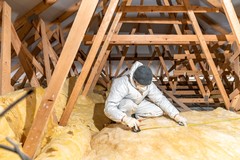
One of the reasons homeowners are drawn to spray foam is that it seals as it insulates. When the foam expands, it fills cracks, gaps, and irregular spaces that other materials simply cannot reach. This combination of a strong R value and an effective air barrier is what makes spray foam such a capable performer in demanding climates like ours.
It can be tempting to shop for insulation the way you shop for anything else, by comparing one number and choosing the biggest. But the highest R value is not always the most practical or cost effective solution for every part of your home. A well insulated attic, for example, often benefits from a deep application of a more affordable material, while a rim joist or a hard to reach cavity may be the perfect spot for closed cell foam.
Another consideration is how the insulation holds up over time. Some materials settle or lose effectiveness when they absorb moisture. Closed cell spray foam resists moisture well and maintains its rated performance for the long haul, which is valuable in a state where humidity and temperature swings are part of daily life. When we assess a home, we look at the whole picture rather than fixating on a single figure. If you want to dig deeper into common questions, our insulation FAQs cover many of the topics homeowners ask about most.
Different parts of a house have different insulation needs, and understanding this helps you invest wisely. Attics generally require the highest total R values because heat rises and escapes through the roof. Exterior walls need enough R value to keep living spaces comfortable while making the most of limited cavity depth. Basements, crawl spaces, and rim joists are often overlooked but can be significant sources of heat loss.
Here is a simple way to think about where spray foam tends to shine:
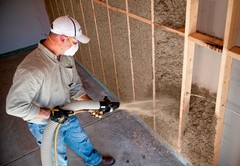
For standard wall applications, many Wausau homeowners find that a combination of approaches gives them the best value. Dense packed cellulose, for instance, fills wall cavities efficiently and performs beautifully in existing homes. When you are weighing options for wall insulation in Wausau, it helps to talk through the trade offs with someone who knows local homes and building codes.
A high R value only pays off when the insulation is installed correctly. Spray foam in particular requires proper mixing, application temperature, and technique to expand and cure the way it should. Poorly installed foam can leave voids, fail to seal properly, or not reach its rated performance. This is why professional installation is so important, and why the experience of your installer matters as much as the product itself.
It is also smart to think about the return on your investment. Better insulation reduces the strain on your heating and cooling systems, which can lower monthly bills and extend the life of your equipment. Some upgrades may even qualify for rebates or incentives, so it is worth checking available rebate incentives before you begin. These programs can meaningfully offset the upfront cost of a quality installation.
Ultimately, understanding the r value of spray foam insulation gives you the knowledge to make a confident decision rather than guessing. The right insulation, installed properly in the right places, keeps your home comfortable through every season and protects your budget year after year. Whether you are drawn to the sealing power of foam or considering other materials, the goal is the same: a home that stays warm in winter, cool in summer, and efficient all the time.
If you are ready to explore spray foam insulation in Wausau and the surrounding areas, our team is here to help you weigh your options and design a solution that fits your home and your goals. Reach out for a free estimate, and we will walk you through the numbers, the materials, and what to expect so you can move forward with clarity and confidence.
October 3, 2026
October 1, 2026

September 17, 2026

September 15, 2026