Corrosion Under Insulation and Why It Can Be Hard to Spot
November 17, 2026
Blog
One of the trickiest problems in any building is the kind of damage you cannot see. Corrosion under insulation falls squarely into that category, quietly eating away at metal surfaces while a protective layer of insulation hides it from view. By the time it becomes visible, the damage is often advanced and expensive to repair. That is why the team of home insulation contractors in Wausau wants property owners to understand how this issue develops and why it deserves attention long before trouble shows up.
Whether you manage a commercial facility, a warehouse, or a home with metal roofing components and piping, the dynamics are the same. Moisture gets trapped, metal stays wet, and oxidation does its slow work out of sight. Understanding the warning signs and the conditions that encourage it can save you from a costly surprise down the road.
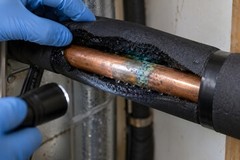
Corrosion under insulation, sometimes shortened to CUI, refers to the deterioration of metal surfaces that occurs beneath an insulating layer. It most commonly affects pipes, tanks, roofing structures, and equipment where insulation meets metal. The insulation itself is not the villain here. The real culprit is moisture that finds its way into the space between the insulation and the metal, where it lingers instead of drying out.
Metal surfaces need oxygen and water to corrode, and insulation creates a sheltered environment where both can coexist for long periods. The insulation holds moisture against the metal, slows evaporation, and sometimes even contributes chemicals that accelerate the reaction. The result is rust, pitting, and eventual structural weakening that happens gradually and silently.
The biggest challenge with corrosion under insulation is that the very material protecting a surface is also the material concealing the damage. You cannot simply glance at an insulated pipe or roof section and know what is happening underneath. Everything can look perfectly intact on the outside while serious deterioration is underway beneath the surface.
Several factors make early detection difficult. Insulation is designed to stay in place, so inspecting what is behind it requires removing or disturbing it. Many building owners are reluctant to tear into insulation that appears to be functioning, especially when there are no obvious symptoms. Moisture intrusion also tends to happen slowly, often from small gaps, worn seals, or condensation cycles that repeat over months and years rather than all at once.
Temperature swings common throughout central Wisconsin make the situation worse. When warm, humid air meets a cold metal surface, condensation forms. If that moisture has nowhere to escape, it collects in the insulation and keeps the metal damp. Over many freeze and thaw cycles, this constant exposure quietly advances the corrosion while the exterior gives no clue.
Certain locations are far more prone to this problem than others, and knowing where to look is half the battle. Trapped moisture gravitates toward low points, seams, penetrations, and anywhere the protective barrier has been compromised. Being aware of these vulnerable areas helps you focus inspection efforts where they matter most.
On commercial buildings especially, the rooftop is a common trouble zone. Metal decking, HVAC supports, and drainage components all sit in an environment that cycles between wet and dry, hot and cold. Without proper installation and maintenance, these spots can develop corrosion under insulation that spreads before anyone notices a leak or a weak point.
Preventing this type of corrosion starts with how insulation is installed in the first place. A properly designed system does more than slow heat transfer. It manages moisture, directs water away from vulnerable surfaces, and includes vapor barriers that keep humid air from reaching cold metal. When any part of that system is poorly installed or allowed to degrade, the protection breaks down.
This is where experienced installation makes a real difference. Insulation that is cut too loosely, sealed improperly, or paired with the wrong vapor barrier can actually trap moisture rather than keep it out. The materials matter too, since some insulation types handle damp conditions better than others. Choosing the right product for the application, whether that involves roofing, walls, or mechanical systems, is a decision worth getting right the first time. If you have questions about how different materials perform, our insulation FAQs cover many of the basics.
Maintenance also plays a key role. Even the best installation needs periodic attention. Seals wear out, fasteners loosen, and small punctures develop over time. Catching these minor issues early prevents the slow moisture intrusion that feeds corrosion under insulation. A quick annual check of exposed seams and penetrations can reveal problems while they are still easy and inexpensive to correct.
Although the damage itself stays hidden, there are often subtle clues that something is wrong. Staining or discoloration on the outer surface of insulation can indicate moisture has been present. Soft spots, sagging, or insulation that feels damp to the touch are red flags worth investigating. Rust streaks near fasteners, seams, or drainage points frequently point to corrosion beneath.
Changes in energy performance can also hint at trouble. When insulation becomes saturated, it loses much of its effectiveness, which may show up as higher heating or cooling costs. If a space that used to stay comfortable starts feeling drafty or inconsistent, moisture compromising the insulation could be part of the story. None of these signs confirm corrosion on their own, but together they justify a closer look by someone who knows what to inspect.
For commercial properties, scheduling professional evaluations is especially valuable. Trained inspectors use moisture meters, thermal imaging, and targeted inspection points to assess conditions without unnecessarily tearing apart a working system. This approach catches corrosion under insulation at a stage when repairs are manageable rather than catastrophic. You can learn more about our full range of offerings on our insulation services page.
The good news is that this problem is largely preventable with the right approach. Quality installation, appropriate materials, proper vapor control, and regular maintenance form a defense that keeps moisture away from vulnerable metal. When those elements work together, the risk drops dramatically, and the insulation does its job for years without silently undermining the structure it protects.
For homeowners in Wausau and the surrounding areas, the same principles apply on a smaller scale. Even something as routine as upgrading attic insulation for a Wausau home can affect roof structures over time. For larger properties, protecting commercial roofing in Wausau from corrosion under insulation means treating the roof as a complete system where insulation, drainage, and metal all have to work in harmony.
If you are unsure about the condition of your insulation or want peace of mind before winter sets in, reaching out for a professional assessment is a smart move. Our team has served the region since 1938, and we are happy to help property owners in Wausau and neighboring towns understand their options. Contact us for a free estimate and let us help you keep hidden corrosion from becoming a visible and expensive problem.
November 17, 2026
November 15, 2026

November 3, 2026
November 1, 2026