How Long Does Insulation Last? Signs It May Be Time to Replace It
November 3, 2026
Blog
Insulation is one of those parts of a home that quietly does its job year after year without ever asking for attention. Because it lives out of sight in attics, walls, and crawl spaces, most homeowners rarely think about it until their energy bills start climbing or certain rooms feel colder than they should. That leads to a question we hear often as a trusted home insulation company in Wausau: how long does insulation last, and how do you know when it needs to be replaced?
The honest answer is that it depends on the material, the installation, and the conditions inside your home. Some types of insulation can perform well for decades, while others degrade far sooner, especially when moisture, pests, or settling come into play. Understanding the expected lifespan of your insulation helps you plan ahead instead of waiting for a problem to catch you off guard.
When people ask how long does insulation last, the first thing to consider is what kind of insulation they have. Different materials age at very different rates, and knowing which one is in your home gives you a realistic timeline.
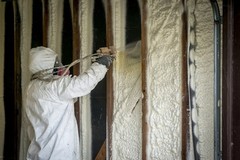
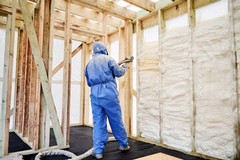
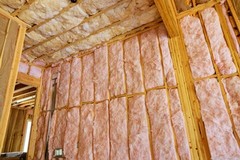
Fiberglass batts and rolls are among the most common materials, and under ideal conditions they can last 80 to 100 years. However, they rarely reach that lifespan in practice because they are prone to shifting, compressing, and absorbing moisture over time. Blown-in cellulose, which is made from recycled paper treated with fire retardant, typically performs well for 20 to 30 years before it begins to settle and lose some of its insulating value. Spray foam is one of the most durable options available, often lasting the lifetime of the home when it is properly installed and left undisturbed.
Mineral wool and rigid foam boards also tend to hold up for several decades. The takeaway is that no insulation is truly permanent. Even the longest-lasting materials can be compromised by factors that have nothing to do with the product itself.
Material is only part of the equation. The real-world answer to how long does insulation last often comes down to the environment it lives in. Moisture is the biggest enemy. When water from a roof leak, plumbing issue, or poor ventilation reaches insulation, it can cause the material to clump, lose loft, and even develop mold. Wet insulation loses much of its ability to resist heat transfer, and once that happens, it rarely recovers.
Pests are another common culprit here in central Wisconsin. Mice, squirrels, and insects can burrow into attic and wall insulation, creating tunnels, nests, and contamination that reduce performance and create health concerns. Air leakage plays a role too. If your home has gaps around ductwork, recessed lighting, or attic hatches, the constant movement of air can gradually degrade insulation and carry moisture into places it should not be.
Finally, the quality of the original installation matters a great deal. Insulation that was installed unevenly, compressed into tight spaces, or applied at the wrong depth will underperform from day one and often wear out faster. This is why professional installation makes such a difference in long-term results.
Even without climbing into your attic, your home will usually tell you when your insulation is no longer doing its job. Rising energy bills are often the first clue. If your heating and cooling costs keep increasing even though your usage habits have not changed, aging or failing insulation could be allowing conditioned air to escape.
Uneven temperatures between rooms are another telltale sign. When one bedroom stays chilly in winter while the rest of the house feels comfortable, insulation gaps or settling are frequently to blame. Cold floors, drafty walls, and ice dams forming along your roofline in winter can also point to insulation that is no longer performing as it should.
Here are some of the clearest indicators that it may be time for a replacement or upgrade:
If you notice any of these issues, it is worth having the insulation inspected before the problem spreads. Small gaps and minor moisture issues tend to grow over time, and addressing them early is almost always less expensive than waiting.
The attic is usually the first place where insulation problems appear, and for good reason. Heat rises, so a poorly insulated attic lets a significant amount of warmth escape during the long Wisconsin winters. Attics are also more exposed to temperature swings, roof leaks, and pest activity than most other areas of the home, all of which accelerate wear.
If your home is a few decades old and the attic insulation has never been updated, there is a good chance it has settled or thinned enough to leave you paying more than you should. Adding or replacing attic insulation for your Wausau-area home is one of the most cost-effective upgrades available, often delivering noticeable comfort improvements and lower energy bills within the first season. Homeowners exploring upgrades may also want to look into available rebate incentives for insulation and energy upgrades, which can help offset the cost of a project.
Not every aging insulation situation calls for a complete tear-out. In many cases, adding a fresh layer on top of existing material is enough to restore performance, particularly with blown-in insulation in attics. If the current insulation is dry, clean, and simply thinner than modern recommendations, topping it off can be a practical and affordable solution.
Full replacement becomes necessary when insulation is wet, moldy, pest-damaged, or contaminated. In those situations, the old material needs to be removed entirely so the space can be cleaned, sealed, and insulated properly. A professional assessment is the best way to know which path makes sense for your home, and our team is always happy to walk you through the options. You can learn more about our full range of insulation services and request a free estimate whenever you are ready.
So when someone asks how long does insulation last, the most useful answer is that it varies, and the only way to know for certain is to look at what you have and how it is holding up. Material type sets the baseline, but moisture, pests, air leakage, and installation quality ultimately determine how long your insulation keeps protecting your home.
If you have noticed higher bills, uneven temperatures, or signs of moisture, do not wait for the problem to worsen. Serving Wausau and the surrounding communities, our experienced team can inspect your insulation, explain exactly what we find, and recommend the right solution for your home and budget. Reach out today to schedule an evaluation and keep your home comfortable for years to come.

November 3, 2026
November 1, 2026
October 17, 2026
October 15, 2026