Spray Foam Insulation R Value: What Homeowners Should Know
October 3, 2026
Blog
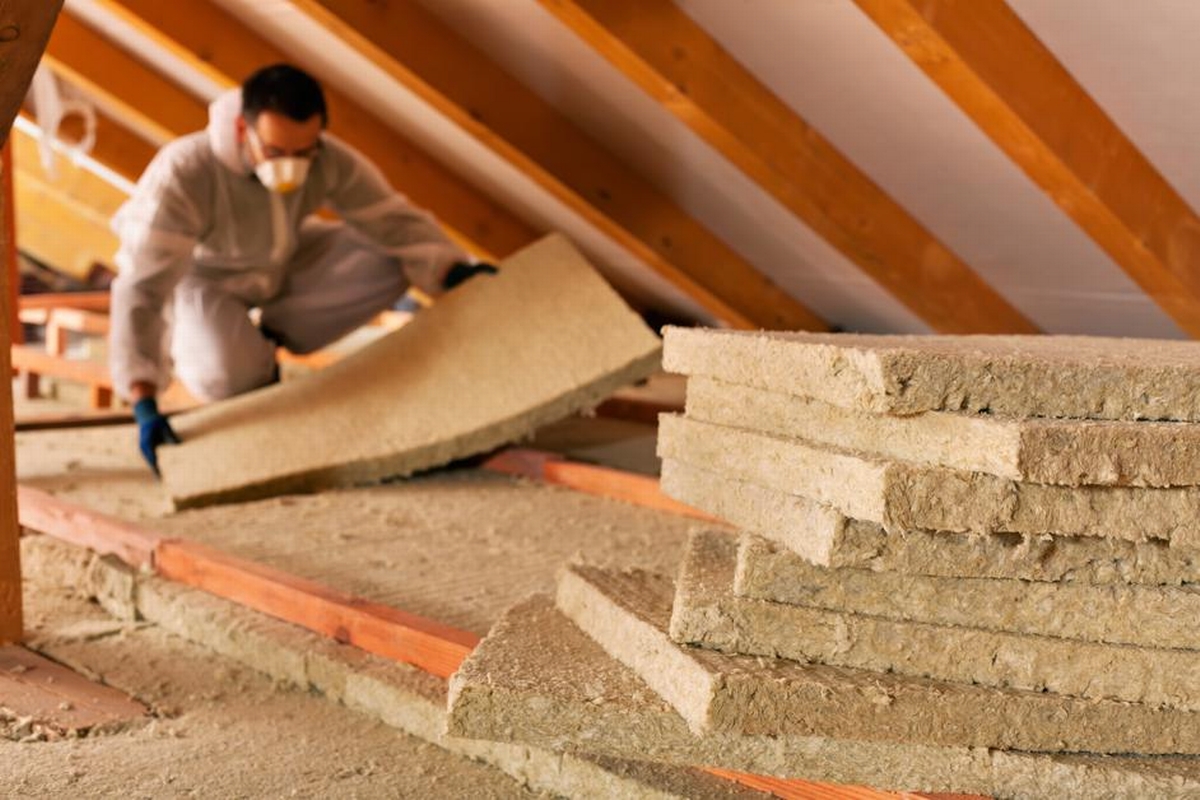
Understanding how many inches of insulation in attic spaces are recommended is crucial for homeowners aiming to improve energy efficiency and reduce utility costs. For those seeking home insulation services in Wausau and throughout Central and Northern Wisconsin, addressing attic insulation can significantly impact overall home comfort and heating and cooling expenses. In this blog post, we'll delve into the industry standards for attic insulation, discuss its importance, and offer actionable advice tailored to the unique climate considerations of Wausau, WI.
A well-insulated attic is a cornerstone of an energy-efficient home. Poor attic insulation often leads to heat loss during winter and heat gain in summer, forcing your HVAC system to work harder, thus increasing energy bills. Attic insulation also plays a vital role in maintaining indoor air quality and preventing issues like ice dams, which can cause significant damage to your roofing system.
The recommended number of inches of insulation for attics can vary depending on several factors, including climate zone, type of insulation material, and existing construction. The U.S. Department of Energy provides guidelines for insulation levels based on regional climate zones. For Wausau, WI, typically situated in climate zone 6, the recommended attic insulation R-Value ranges from R-49 to R-60.
Achieving this R-Value may require between 15 and 20 inches of fiberglass or cellulose insulation, but it can vary based on the insulation type. With spray foam insulation, fewer inches may be needed due to its higher R-Value per inch. Consulting with local home insulation experts can ensure that you meet these standards effectively, taking into account specific local weather patterns and construction types.
Choosing the right insulation material can significantly influence the effectiveness of your attic insulation. Here are some common types:
Fiberglass is one of the most common attic insulation materials due to its cost-effectiveness and ease of installation. It is typically available in batts or loose-fill forms and is known for effectively reducing heat transfer, contributing to energy savings.
Made from recycled paper products, cellulose is an eco-friendly option. It's blown into attics to create a thick blanket over the space. Cellulose is treated to resist fire and pests, making it a durable choice with higher density than fiberglass.
Spray foam provides excellent thermal resistance and acts as an air barrier. It expands on application, sealing gaps and cracks in the attic roof and walls. Despite being a higher initial investment, it offers superior insulation properties and can lead to significant savings long-term.
Let's explore some factors that might influence how many inches of insulation in attic spaces are recommended.
Once you've decided on the right amount of insulation, planning your insulation project becomes essential. Consulting with a professional company, like Home Insulation Company, can ensure that your attic insulation is installed correctly, improving energy efficiency. When you obtain a service like insulation removal in Wausau, it serves as a perfect opportunity to add new insulation that meets modern standards.
While your attic is critical, overall home insulation effectiveness depends on a holistic approach. Walls, floors, and ceilings all require attention for a fully insulated home. Effective wall insulation, similar to attic insulation, is crucial, especially when considering retrofitting an older home or improving specific problem areas. By engaging comprehensive services such as retrofit walls, you improve the overall insulating envelope of your home.
Determining how many inches of insulation in attic spaces are recommended helps create an energy-efficient home. It's an investment that pays dividends in comfort, energy savings, and increased home value. Whether you are contemplating spray foam insulation in Wausau and its neighboring areas or simply need guidance on your insulation journey, expert assistance is always within reach.
Considering services in surrounding areas can also offer solutions for adjacent needs. Partnering with Home Insulation Company ensures access to industry expertise and innovative solutions, and assures you of transforming your living space into a model of efficiency and comfort. Reach out today to explore how we can help you achieve optimal insulation for your home or business.
October 3, 2026
October 1, 2026
September 17, 2026
September 15, 2026