Spray Foam Insulation R Value: What Homeowners Should Know
October 3, 2026
Blog
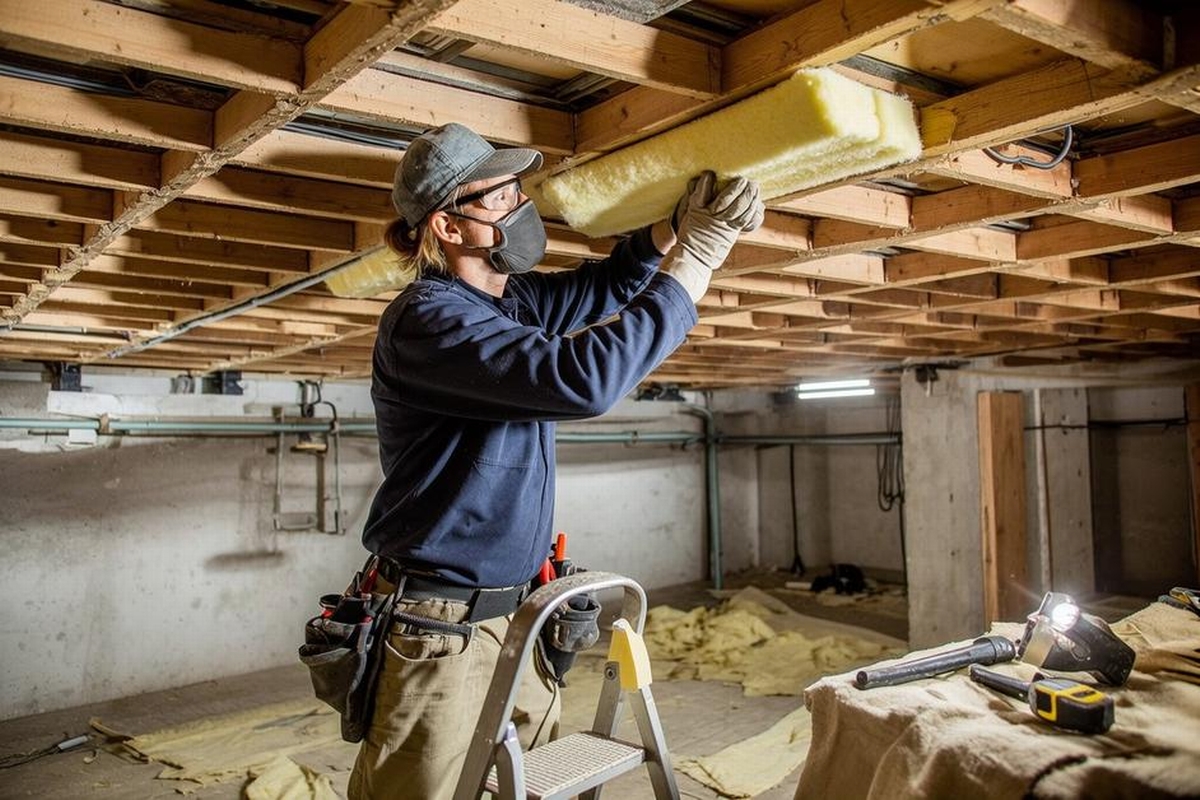
Among the myriad of decisions homeowners face when considering home improvements, the question "should I insulate the basement ceiling" often arises. With the constant pursuit of enhanced comfort and energy efficiency, this question warrants careful consideration. Various factors, including climate, usage of basement space, and cost implications, play a pivotal role in this decision, particularly for those seeking home insulation services in Wausau. The discussion on insulating basement ceilings delves into the nuances and scenarios where this investment truly makes sense, offering clarity for homeowners and businesses alike.
Basements are unique areas within a home. They can serve multiple functions, from being a simple storage area to a fully functioning living or entertainment space. When considering insulation, recognizing the role of the basement in your overall home energy strategy is vital. Key points to explore in this context include understanding how insulation impacts thermal dynamics, moisture control, soundproofing, and overall property value. By addressing these elements, the article aims to guide you towards making an informed decision regarding basement insulation.
Insulation is crucial for maintaining a home's energy efficiency. The basement plays a significant part in this equation, especially in colder climates. By insulating the basement ceiling, you create a barrier that prevents heat from escaping through the floor above. As warmer air naturally rises, this containment can considerably reduce heating costs during the frigid winters common in places like Wausau, WI. Additionally, if your home is above an unconditioned basement, insulation will help maintain the desired temperature level in your living spaces more consistently.
Another key consideration is the potential for moisture intrusion. Basements are prone to humidity and moisture issues, which can compromise structural integrity and indoor air quality. Insulating the basement ceiling can act as a vapor barrier, preventing moisture from seeping into upper levels and affecting flooring or drywall. This aspect is crucial for maintaining a healthy home environment, as excess moisture can foster mildew and mold growth.
Soundproofing is an often-overlooked benefit of insulating basement ceilings. An increase in home entertainment systems and multi-use spaces means that sound insulation is more valuable than ever. Insulating the ceiling prevents noise from traveling between floors, offering a quieter, more enjoyable living experience.
Not all basements are created equal, and not every situation demands ceiling insulation. Several factors must be weighed before arriving at a decision. Primarily, the existing use and intended future use of the basement are pivotal. If the basement is used for storage or occasionally, insulating the ceiling might not be a priority. However, for basements that serve as living spaces or home offices, proper insulation can substantially enhance comfort levels and improve energy efficiency.
The current state of your basement is also fundamental in deciding whether "should I insulate the basement ceiling?" is relevant for your home. Examine whether existing insulation is damaged or insufficient, requiring an upgrade. Poorly insulated areas allow cold air intrusion, reducing the livability of basement spaces as well as affecting the temperature stability of the rooms above.
Moreover, always consider regional climate conditions. In colder climates, where heating costs are high, insulation becomes almost indispensable. For locations with mild or moderate temperatures year-round, the necessity is not as pressing, but the benefits of noise reduction and moisture management still apply. In Wausau, WI, for example, harsher winters justify the investment, especially when planning to use the basement as a functional living area.
Investing in insulation, particularly for areas like the basement ceiling, directly impacts energy bills by reducing heating and cooling loads. This means lower energy costs and overall increased home efficiency. It's useful to analyze the upfront expense of insulation against potential savings. In many cases, insulating a basement ceiling can offer a return on investment within a few years through lower energy bills.
In places with a significant differential between indoor and outdoor temperatures, such as Wausau, WI, the energy savings become more pronounced. Financial incentives or rebates may also be available from local utilities or government programs, making the upfront investment more manageable. Engaging with home insulation experts offers insight into the most efficient materials and approaches, ensuring that you receive the maximum benefit for your investment.
Now that we understand when it makes sense to insulate a basement ceiling, the next step is to explore the insulation options available. The primary choices include fiberglass batts, spray foam, and rigid foam board. Each comes with its unique set of benefits and installation considerations.
It's essential to work with professionals with experience in insulation removal in Wausau and its nearby areas, or wherever you are located, to choose the right type suited to your specific needs.
When contemplating the insulation of a basement ceiling, the best approach is a detailed assessment by reputable professionals. They can analyze the current state of your basement, evaluate the potential benefits, and ensure proper installation techniques to maximize the benefits of insulation.
In addition to considering energy savings and comfort, the overarching factor should be how the changes align with your overall home improvement goals. Start by reviewing the existing condition, assessing the current insulation levels, and then consider what improvements align with your goals.
Before investing, consult local experts who specialize in commercial roofing, wall insulation, or attic insulation in neighboring areas to find the right fit for your home. You may find that a combination of solutions best meets your needs.
Ultimately, the decision to insulate your basement ceiling should stem from a comprehensive understanding of your personal home dynamics, the basement's usage, and regional climate conditions. Whether you aim to reduce energy costs, prevent moisture-related issues, or simply enhance the comfort and utility of your home, insulation stands as a powerful tool in achieving these goals.
Partner with reputable service providers like the Home Insulation Company in Wausau, WI, to transform your basement into an efficient space. Their range of services, including spray foam insulation and wall insulation, guarantees tailored solutions to meet your needs while maintaining the highest standards of quality and efficiency. Contact the Home Insulation Company today to explore the possibilities and ensure your home maintains comfort and efficiency year-round.
October 3, 2026
October 1, 2026
September 17, 2026
September 15, 2026