Rigid Roof Insulation for Stronger Thermal Performance
September 17, 2026
Blog
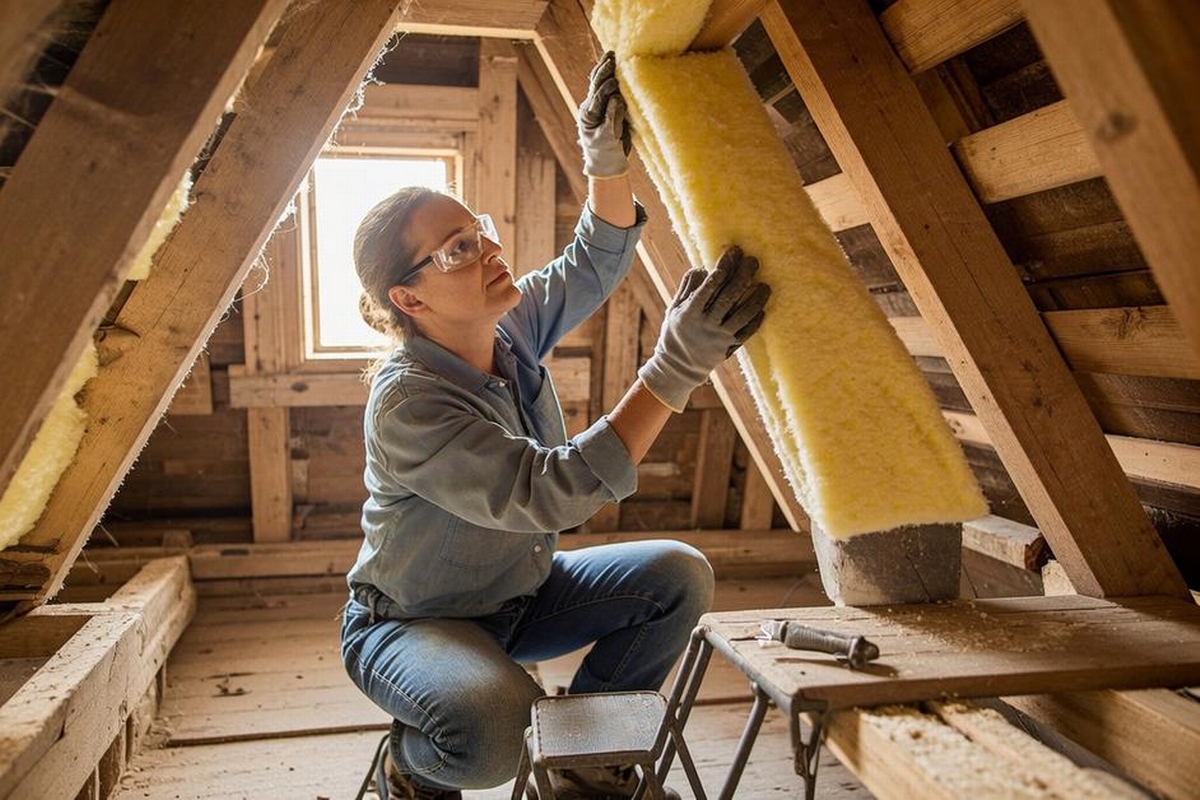
Energy efficiency is a growing concern for homeowners looking to reduce their utility bills and increase their home's comfort. One often-overlooked method to achieve this is by insulating attic roof rafters. In fact, knowing how to insulate an attic roof rafters can significantly impact the energy efficiency of your home by preventing heat loss in the winter and keeping your attic cooler in the summer. Considering services from a reliable home insulation company in the Wausau area can be a practical step towards enhancing the home's energy performance.
Insulating attic roof rafters is a strategic move that not only improves energy efficiency but also contributes to the overall durability and health of your home. This blog post will delve into the specific benefits of insulating your attic rafters, discuss the various types of insulation materials available, and outline the steps involved in the insulation process. Along the way, you'll gain valuable insights into potential challenges and solutions that might arise during the insulation journey. By equipping yourself with this knowledge, you can make informed decisions that enhance your living environment.
Insulating your attic roof rafters is more than just a trend; it's a necessity in maintaining a sustainable home. Attic spaces are notorious for losing or gaining heat, impacting both your comfort and energy bills. Heat naturally rises, and without adequate insulation, this heat can escape through your attic during the colder months. Conversely, in the summer, the attic can become extremely hot, making it harder to cool your home. By investing in rafter insulation, you mitigate these issues, leading to a more stable indoor climate.
Moreover, this process contributes to reducing the environmental footprint of your home. Proper insulation lessens the need for excessive heating and cooling, thereby contributing to a reduction in energy consumption and greenhouse gas emissions. For those who are environmentally conscious, this is a significant advantage, allowing you to live more sustainably while also saving money.
Finally, homeowners in climates with significant temperature variations, such as Wausau, WI, will find attic insulation particularly beneficial. In these environments, uninsulated attic spaces can lead to ice dam formation in winter, which can cause structural damage. Effective insulation helps to prevent these costly and inconvenient issues.
There are several insulation materials to choose from when learning how to insulate an attic roof rafters. Each material has its unique properties and benefits, which can influence your decision-making process. Here's a look at some popular options:
Choosing the right type of insulation largely depends on your specific attic design and climate considerations. Consulting with a professional installer can provide clarity and ensure an effective installation process.
Understanding the steps involved in insulating attic roof rafters can demystify the process and prepare you for what to expect. It is advisable to work with professionals to achieve optimal results, but here's a general overview to inform your discussions and decisions.
Assessment and Planning: The first step involves a thorough assessment of the attic. This includes identifying any existing insulation, potential air leaks, and moisture issues. From there, the appropriate type and amount of insulation can be selected. Planning also involves considering ventilation needs and ensuring that insulation efforts don't interfere with attic airflow.
Preparation: Once you've selected your insulation material, preparation of the attic is vital. This involves sealing any leaks, fixing any structural issues, and ensuring any existing insulation is in good shape or removed if necessary. In Wausau, WI, it's also critical to check for ice damming potential and moisture incursion points.
Installation: The installation process varies depending on the type of insulation chosen. For example, fiberglass batts must be cut precisely and fitted snugly between rafters while avoiding compression. Spray foam, on the other hand, requires careful application to ensure it fully expands and adheres properly. It's important to follow the manufacturer's instructions meticulously or hire a qualified installer.
Finishing Up: Post-installation, it's crucial to inspect the work to ensure there are no gaps or areas of underperformance. Proper documentation of the insulation materials used can also be useful for future reference or home sales.
While insulating attic roof rafters is a relatively straightforward project, several challenges may arise. One common issue is moisture buildup, which can lead to mold growth and structural damage. To mitigate this, ensure your attic is adequately ventilated. This means possibly installing vents or using moisture-resistant materials in high-risk areas.
Another potential challenge is choosing the right insulation material. With varying R-values and properties, selecting the right type can be daunting. Consult with a professional installer who can recommend the best solution based on your budget and attic conditions.
For those who might be experiencing difficulties in homes with existing insulation, services like insulation removal in Wausau, WI, can be particularly useful. This allows old or ineffective insulation to be safely and effectively removed before introducing new materials.
Understanding how to insulate attic roof rafters effectively is crucial to improving your home's energy efficiency. While the do-it-yourself approach is often feasible, enlisting professional help ensures that the project is executed with precision and expertise. This could involve anything from linking you with the right materials to ensuring moisture control and ventilation are adequately addressed.
Comprised of specialists in the field, Home Insulation Company can offer practical and customized solutions tailored to your home’s unique needs. Whether you're considering options like spray foam insulation for its versatility and performance or other innovative methods, our team is ready to deliver exceptional results.
For residents of Wausau, WI, Home Insulation Company brings local expertise and commitment to high-quality service. Avoid common pitfalls and optimize your home's performance by trusting professionals who understand the specific climatic challenges of the region. Contact us today to explore how our solutions can elevate your living space’s comfort and efficiency.
September 17, 2026
September 15, 2026
September 3, 2026
September 1, 2026